
Testing & adjusting pH: A video with summary and links to learn more

I thought I should make this a standalone post as I refer to this concept quite a bit in most of my posts. If you’re making a product and you need to test and adjust the pH, most of the time you’ll do it when all the ingredients at in the formula. You might do...
This content is for Foundation, Formulation, and Innovation members only.
Subscribe
Already a member? Log in here

Why are we adding some ingredients to the cool down phase? Why do my emulsions lose viscosity when I add some preservatives? How do I make it not lose viscosity? (Part two)

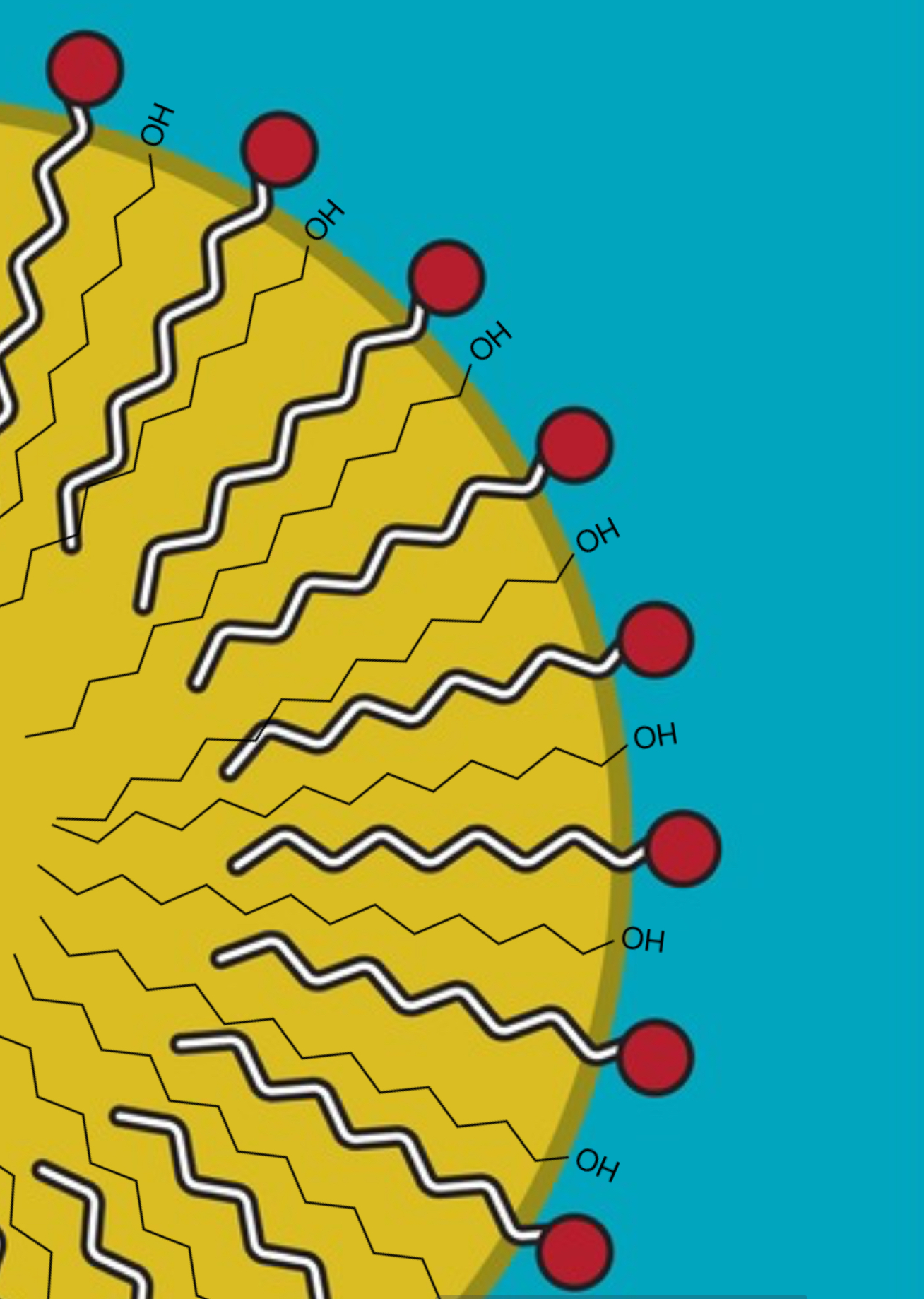
A close up diagram of a micelle. The oil is in yellow, the emulsifier has a red head, and the OH is the hydroxyl group sticking out into the blue water.

Welcome back to part of two of this short series in which we’re looking at why we might add some ingredients to the cool down phase of a formula. In part one, we looked at why we added hydrolyzed proteins, mixed tocopherols, actives & cosmeceuticals, fragrance oils, and essential oils to the cool down phase...

This content is for Foundation, Formulation, and Innovation members only.
Subscribe
Already a member? Log in here

Why are we adding some ingredients, like hydrolyzed proteins or preservatives, to the cool down phase? (Part one)

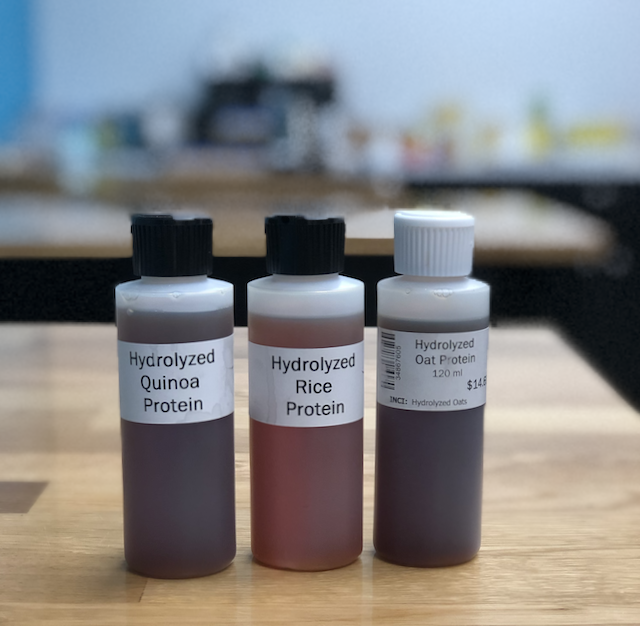
Three bottles with brown, clear liquid sit on a counter top. These are hydrolyzed proteins.

This is a super great question and one that I don’t think I’ve ever answered all in one post, so let’s look at this now!  Sometimes adding ingredients to the “cool down phase” isn’t just about the temperature! Some of our ingredients are heat sensitive – those that are volatile, like isododecane, fragrance oils, or essential...

This content is for Foundation, Formulation, and Innovation members only.
Subscribe
Already a member? Log in here