Chemistry Thursday: An overview of polyatomic ions – part 49

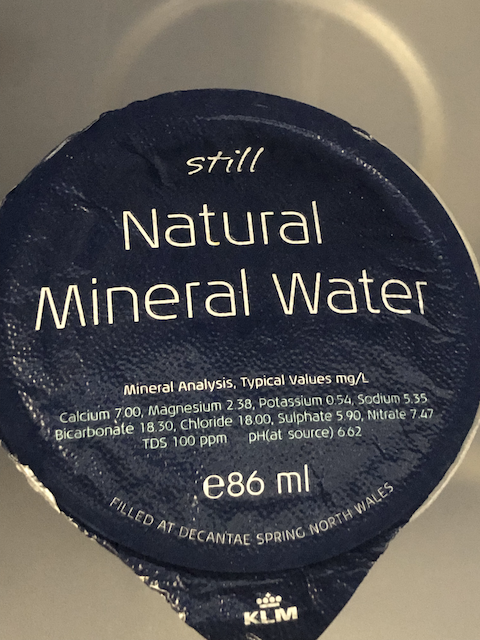
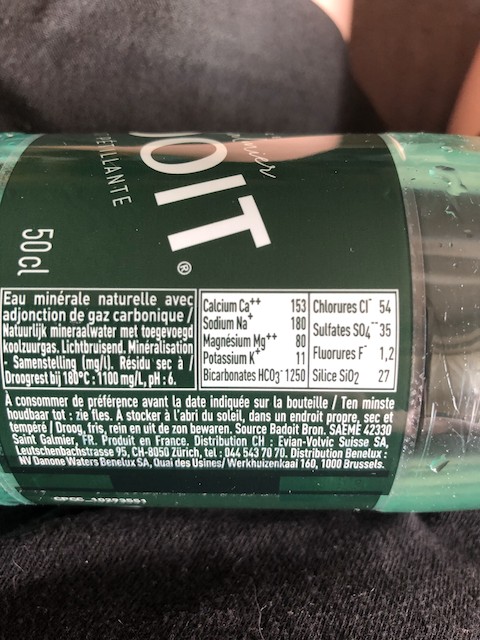
Label from a mineral water bottle showing the minerals in the water

Let’s talk about polyatomic ions a bit more in the next few parts of this series as we work our way to solubility and acid/base reactions. We’ve been learning about solubility of ions and polyatomic ions Why do we care about Polyatomic ions? Because they show up all over cosmetic chemistry as citrates, lactates, sulphate,...

This content is for Foundation, Formulation, and Innovation members only.
Subscribe
Already a member? Log in here

Chemistry Thursday: Introduction to solubility, part 46

Welcome back to section 2 of this Introduction to cosmetic chemistry series I’m sharing every Thursday. In this, the second section of the introduction to cosmetic chemistry series/source (aka second section), we’re focusing on water soluble ingredients, taking a look at solubility, salts, and polyatomic ions, then we’ll work on acids/bases, pH, and all that...

This content is for Foundation, Formulation, and Innovation members only.
Subscribe
Already a member? Log in here

Chemistry Thursday: Introduction to solubility, part 45

Woo hoo! We’re back! Sorry about the delay – I needed to figure out what we would be learning next, then write a goodly part of the series so I knew where we were going. We spent a lot of the first part of the series talking about fatty alcohols, fatty acids, esters, oils, solid...

This content is for Foundation, Formulation, and Innovation members only.
Subscribe
Already a member? Log in here

Chemistry Thursday: More about the impact of the melting point of triglycerides the melting point of cocoa and shea butters that we can use to make awesome products, part 44

Let’s continue our investigation into triglycerides in part 44 by looking at the melting points of various forms of triglycerides in butters, before getting to our fun experiment about the heating and cooling of said butters to see how the way we formulate with them affects their physical properties and sensory characteristics that I’ll be...

This content is for Foundation, Formulation, and Innovation members only.
Subscribe
Already a member? Log in here

Formulating Friday cold process emulsifier series: Sepigel™ 305 and Sepiplus 400 (part one) – profile of Sepiplus 400

A shot glass filled with a white, opaque, thicker liquid stands beside a bottle. The liquid is Sepiplus 400, a cold process liquid emulsifier.

Welcome to part one of this new series in which we’ll be making formulas using Sepigel 305 or Sepiplus 400! These awesome, liquid, cold process, non-ionic emulsifiers can make emulsions, gels, and gel-creams in less than 10 minutes using low/no shear mixing! Woo hoo! We met Sepigel 305™ (INCI: Polyacrylamide (and) C13-14 Isoparaffin (and) Laureth-7)...

This content is for Foundation, Formulation, and Innovation members only.
Subscribe
Already a member? Log in here