Why are we adding some ingredients to the cool down phase? Why do my emulsions lose viscosity when I add some preservatives? How do I make it not lose viscosity? (Part two)
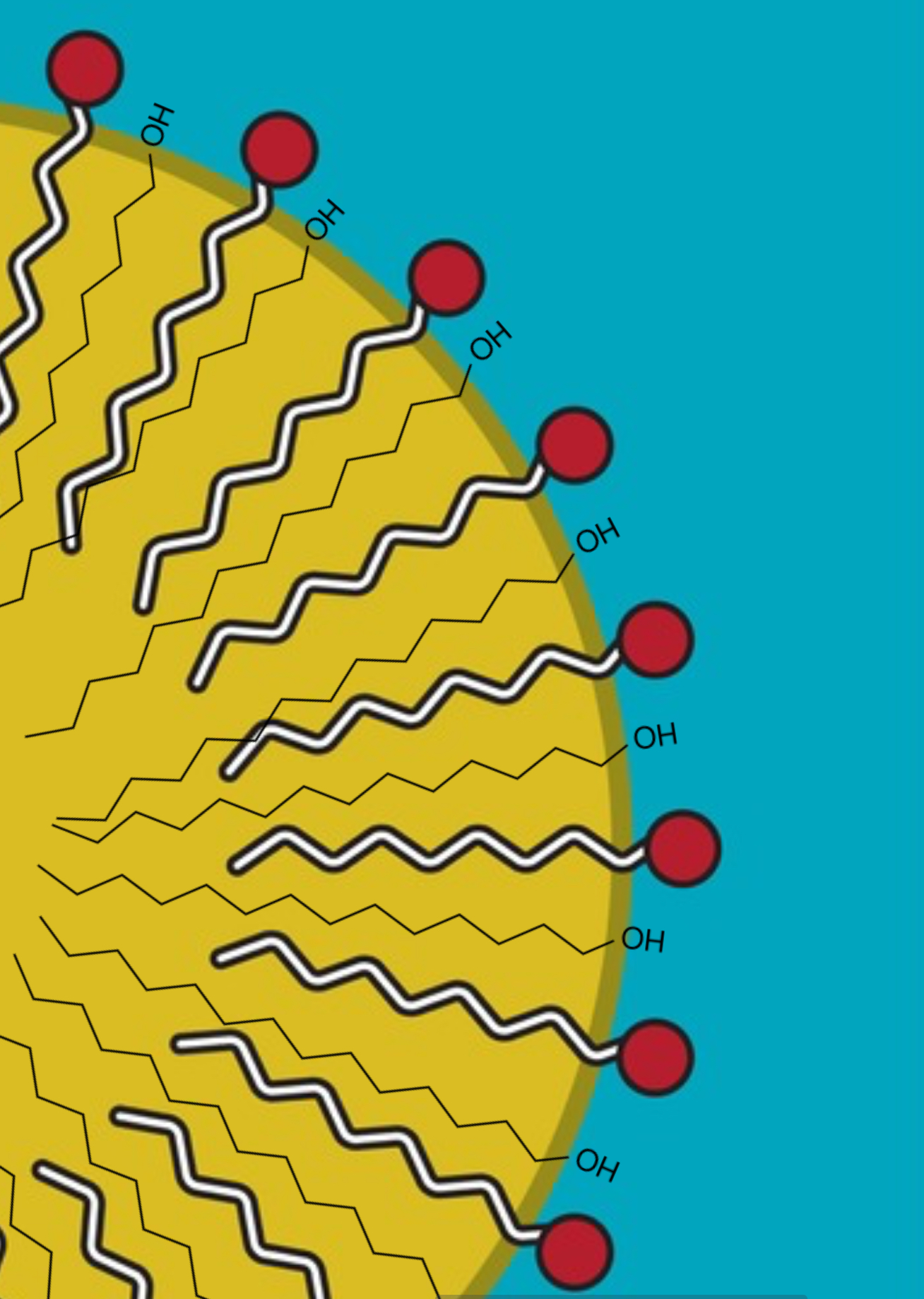
A close up diagram of a micelle. The oil is in yellow, the emulsifier has a red head, and the OH is the hydroxyl group sticking out into the blue water.

Welcome back to part of two of this short series in which we’re looking at why we might add some ingredients to the cool down phase of a formula. In part one, we looked at why we added hydrolyzed proteins, mixed tocopherols, actives & cosmeceuticals, fragrance oils, and essential oils to the cool down phase...

This content is for Foundation, Formulation, and Innovation members only.
Subscribe
Already a member? Log in here

Why are we adding some ingredients, like hydrolyzed proteins or preservatives, to the cool down phase? (Part one)

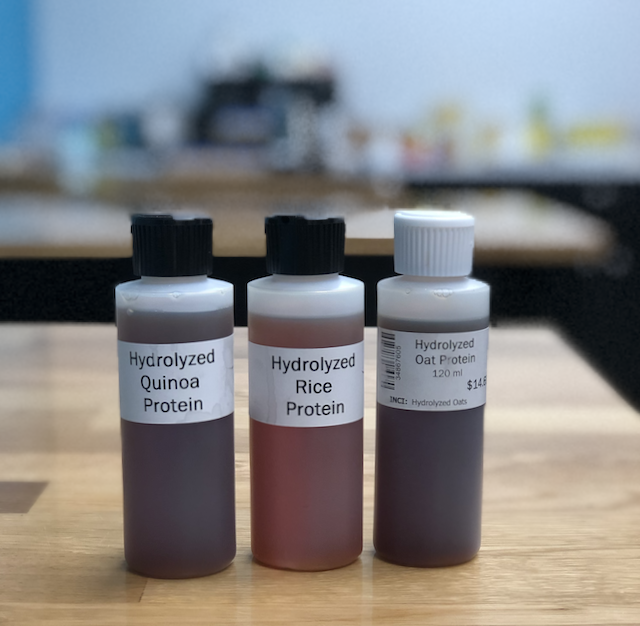
Three bottles with brown, clear liquid sit on a counter top. These are hydrolyzed proteins.

This is a super great question and one that I don’t think I’ve ever answered all in one post, so let’s look at this now!  Sometimes adding ingredients to the “cool down phase” isn’t just about the temperature! Some of our ingredients are heat sensitive – those that are volatile, like isododecane, fragrance oils, or essential...

This content is for Foundation, Formulation, and Innovation members only.
Subscribe
Already a member? Log in here

Part 33, Chemistry Thursday: Some more esters we use as emulsifiers – sorbitan and ethoxylated sorbitan esters (polysorbates) – solubilizers, and some more emulsion chemistry (part 33)

An illustration of oil-filled micelles floating in a sea of water. They are all the same size.

Part 33, Chemistry Thursday: Some more esters we use as emulsifiers – sorbitan and ethoxylated sorbitan esters (polysorbates) – solubilizers, and some more emulsion chemistry (part 33) Welcome back to this introduction to cosmetic chemistry course! Let’s continue our look at esters by investigating those that work as emulsifiers. We’ll get into some emulsion theory,...

This content is for Foundation, Formulation, and Innovation members only.
Subscribe
Already a member? Log in here

Tips & techniques: Why it’s ill-advised to make batches below 100 grams or batches with non-multiples of 100!

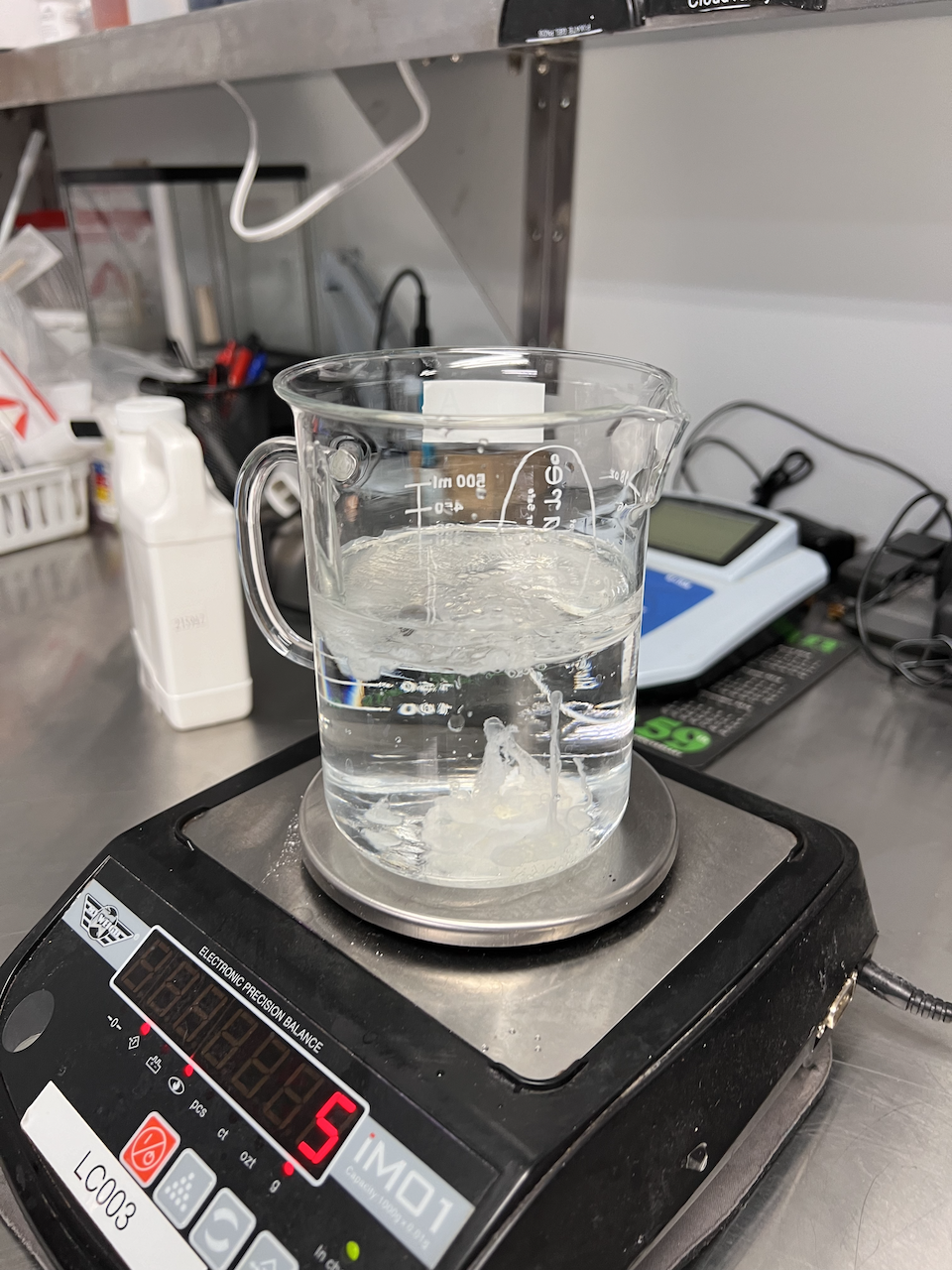
A beaker with clear liquid on a digital scale. We added SIMULGEL™️ EG emulsifier to the beaker. It hasn't been mixed yet.

I just went into this in the shopping list post for the new introduction to cold process emulsifiers series running from October 2025 to March 2026 here every Formulating Friday starting October 3, 2025, that’ll be available to Foundation, Formulation, and Innovation subscribers to the site here, but I thought it so important, it should...

This content is for Foundation, Formulation, and Innovation members only.
Subscribe
Already a member? Log in here

Super quick, super easy products for gift giving: Emulsified foot scrub bars!

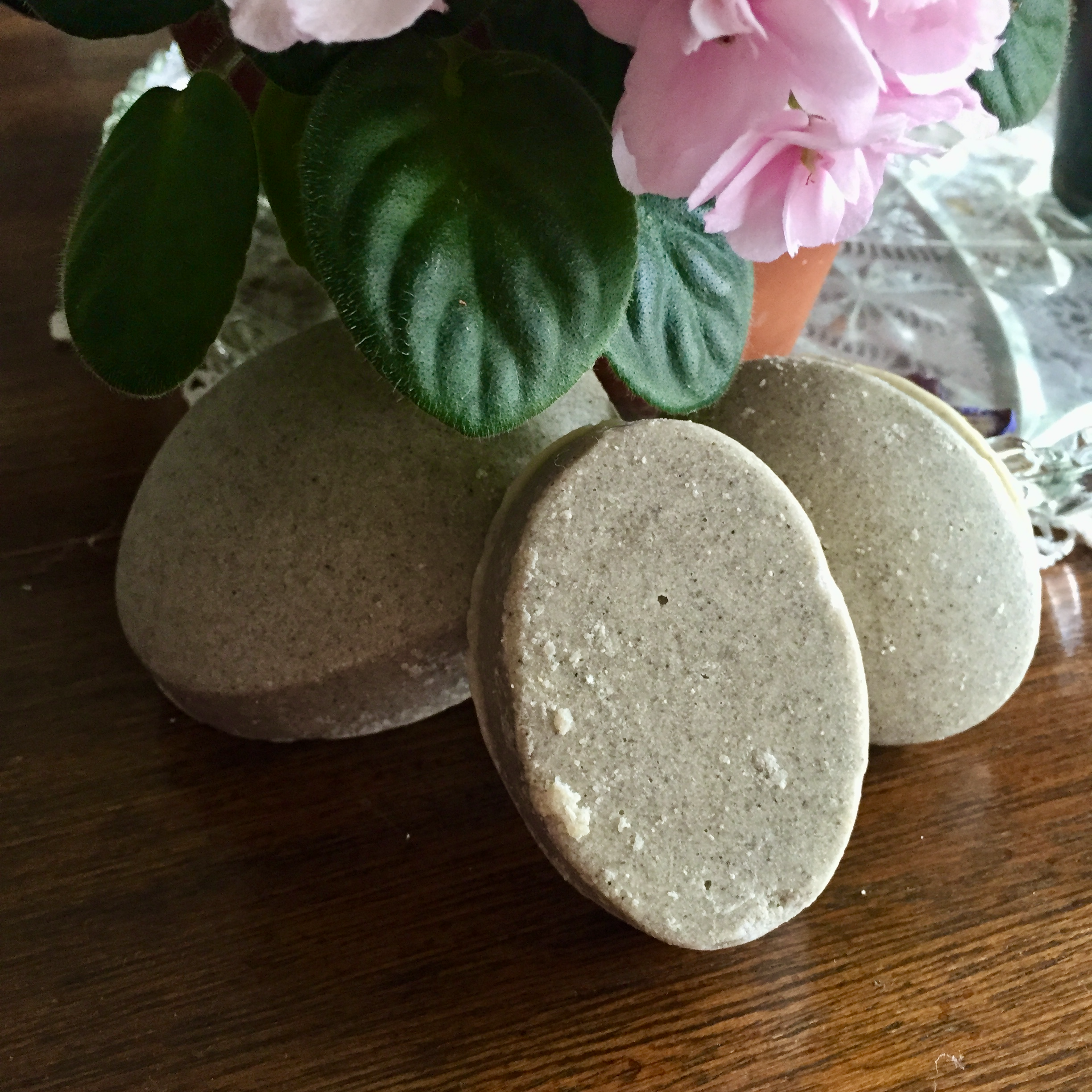
Three foot scrub bars - oval bars made with various butters and pumice - sit under a pink violet.

I thought I’d share some of my favourite, easy-to-make, quick, inexpensive formulas you might want to sell or give as gifts this year. You can find the original formula in this post – One ingredient, five products: Stearic acid in foot scrub bars! I’ve modified it quite a bit since I shared it then.  My...

This content is for Foundation, Formulation, and Innovation members only.
Subscribe
Already a member? Log in here