Smell Ho! Why does using a fragrance oil with vanilla make our products brown? (part five)
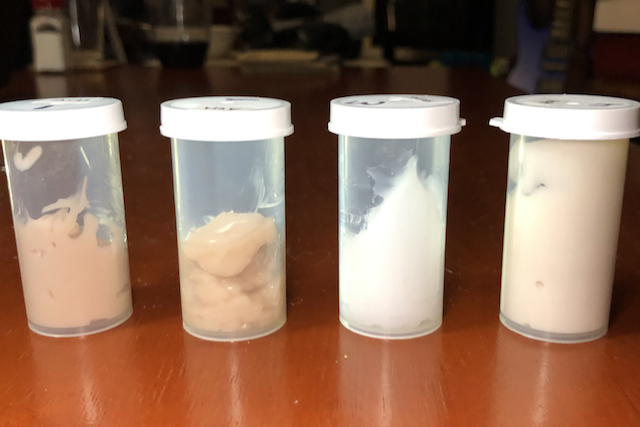
Four vials of lotion sit on a table. The first two have a brown/beige colour. The third is almost a bright white. The fourth is a lighter beige colour. Used to illustrate the impact of vanilla on a formula.

Welcome to a new part in the series on fragrance oils series that you can always find in the fragrance oils part of the site, found under the “ingredients” tab in the menu bar. In today’s post, let’s take a closer look at why our products might get a little brown when using a fragrance...
This content is for Foundation, Formulation, and Innovation members only.
Subscribe
Already a member? Log in here

Super important note! You can substitute any oil for any oil, any butter for any butter, any oil for any butter, and any butter for any oil in my formulas…

In any of the formulas I share with you here on the site, in my classes, or in my e-books, you can substitute any oil for any oil, any butter for any butter, any oil for any butter, or any butter for any oil and you will create something successful. Your lotion will still be...

This content is for Foundation, Formulation, and Innovation members only.
Subscribe
Already a member? Log in here

Tips & techniques: How to substitute one oil or butter with another (including example formulas)!

In any of the formulas I share with you here on the site, in my classes, or in my e-books, you can substitute any oil for any oil, any butter for any butter, any oil for any butter, or any butter for any oil and you will create something successful.* Your lotion will still be...

This content is for Foundation, Formulation, and Innovation members only.
Subscribe
Already a member? Log in here

Why are we adding some ingredients to the cool down phase? Why do my emulsions lose viscosity when I add some preservatives? How do I make it not lose viscosity? (Part two)

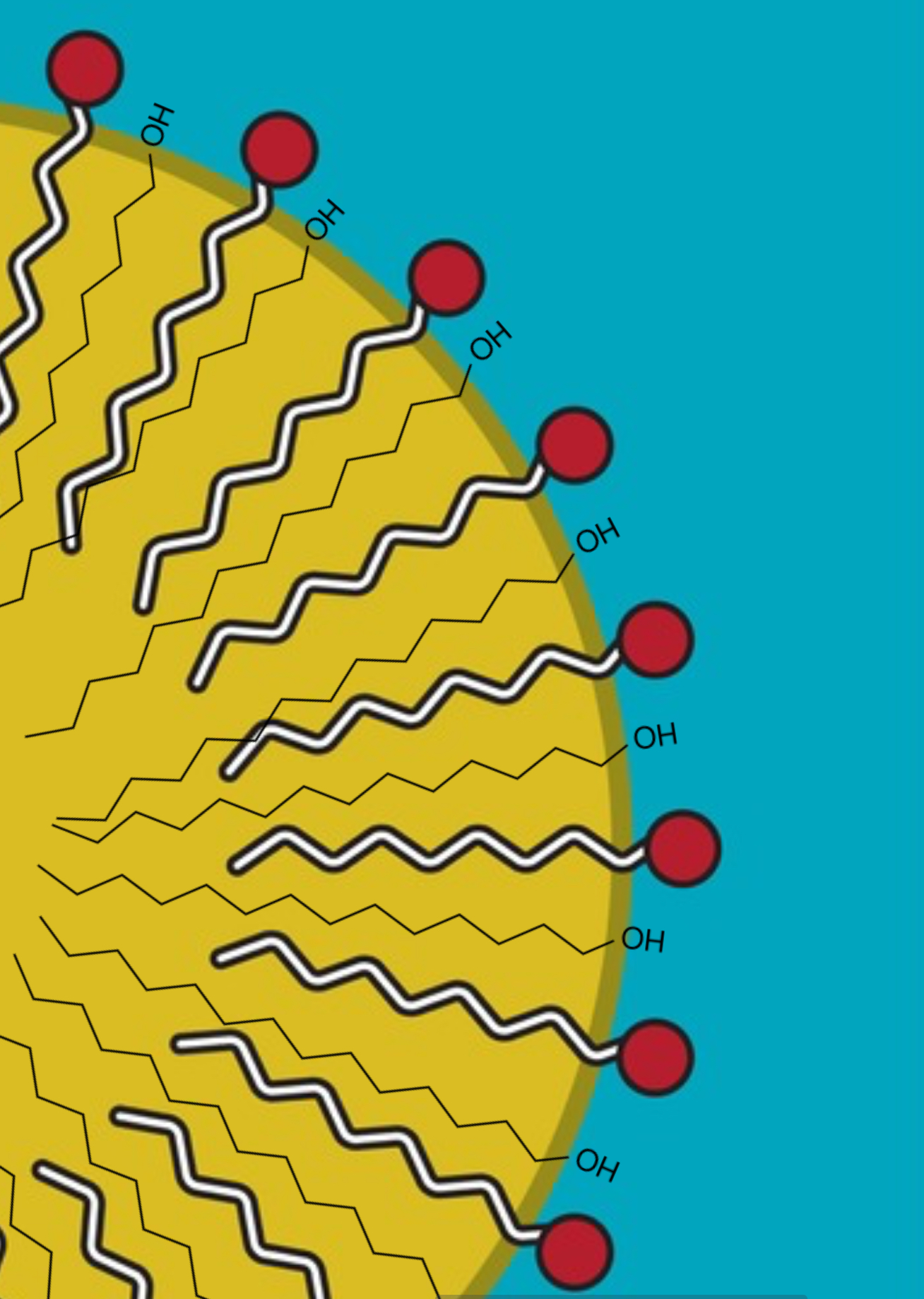
A close up diagram of a micelle. The oil is in yellow, the emulsifier has a red head, and the OH is the hydroxyl group sticking out into the blue water.

Welcome back to part of two of this short series in which we’re looking at why we might add some ingredients to the cool down phase of a formula. In part one, we looked at why we added hydrolyzed proteins, mixed tocopherols, actives & cosmeceuticals, fragrance oils, and essential oils to the cool down phase...

This content is for Foundation, Formulation, and Innovation members only.
Subscribe
Already a member? Log in here

Why are we adding some ingredients, like hydrolyzed proteins or preservatives, to the cool down phase? (Part one)

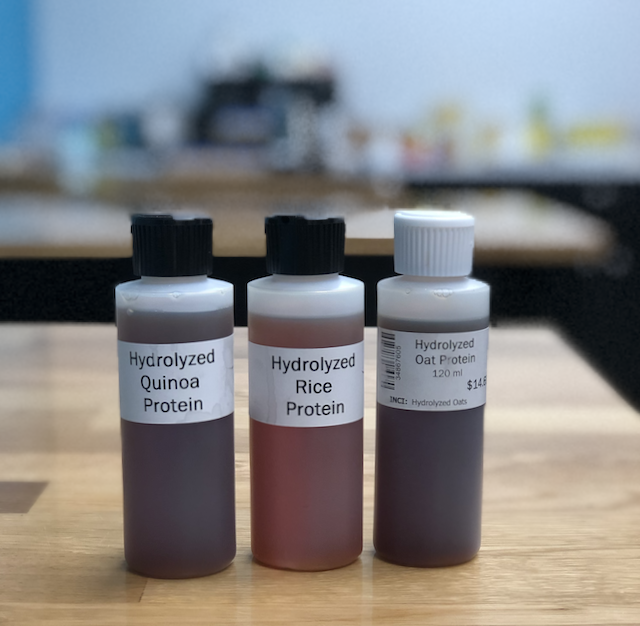
Three bottles with brown, clear liquid sit on a counter top. These are hydrolyzed proteins.

This is a super great question and one that I don’t think I’ve ever answered all in one post, so let’s look at this now!  Sometimes adding ingredients to the “cool down phase” isn’t just about the temperature! Some of our ingredients are heat sensitive – those that are volatile, like isododecane, fragrance oils, or essential...

This content is for Foundation, Formulation, and Innovation members only.
Subscribe
Already a member? Log in here