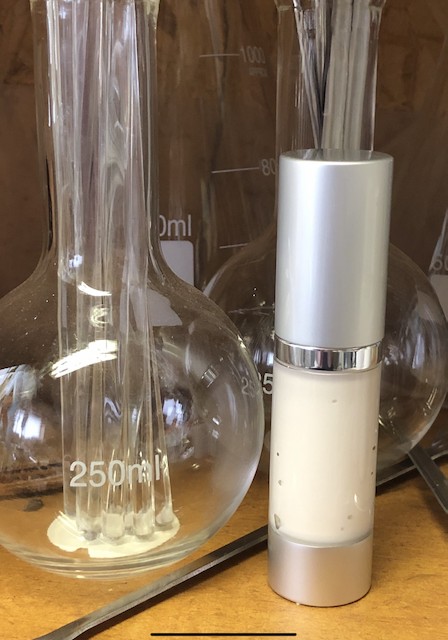
Esters: Cetyl palmitate, simple ester

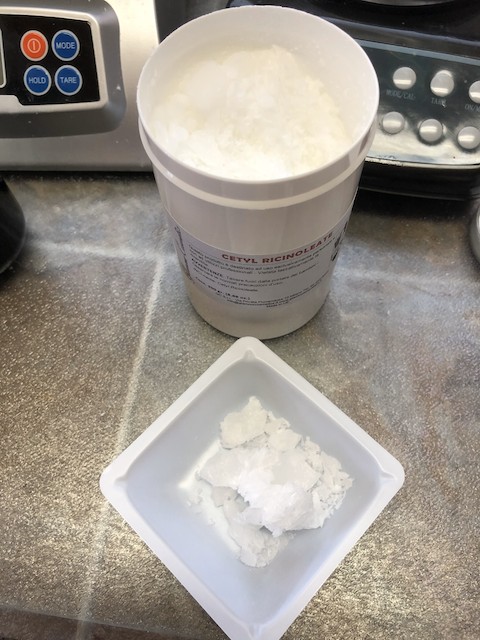
Catch up on this series: Part one, the chemistry and nomenclature of esters; part two, types of esters and their sensory characteristics; and part three, chemistry of the sensory characteristics. We also took a look at the hydrolysis of esters, and simple esters!  Cetyl Palmitate is a simple ester, a white, waxy flake used as a...

This content is for Foundation, Formulation, and Innovation members only.
Subscribe
Already a member? Log in here

A few ideas for gifts you can give this year: Solid bubble bath (sulfate-free)

Bubble bath is such a fun gift, and creating a solid bubble bath using powdered surfactants is such a great way to create something both awesome and packaging-free! It’s easy to whip up a few batches of this formula in different colours and fragrances, and shape them anyway they please. Plus, it’s a great way...

This content is for Foundation, Formulation, and Innovation members only.
Subscribe
Already a member? Log in here

Esters: The hydrolysis of esters

In the post on simple esters, I noted that we don’t want to use these in products that have acidic or alkaline pH ranges lower than 5 and more than 10 because they’re unstable and can hydrolyze. What exactly does this mean? Hydrolysis is “any chemical reaction in which a molecule of water ruptures one...

This content is for Foundation, Formulation, and Innovation members only.
Subscribe
Already a member? Log in here

A few ideas for gifts you can give this year: Bath salts!

It’s the most wonderful time of the year! My (dating) anniversary with Raymond (26 years!), my birthday, Christmas, and the day I was adopted, which also happens to be New Year’s Eve, all fall within 12 days at the end of the December, and I need to celebrate every single one, loudly and happily with...

This content is for Foundation, Formulation, and Innovation members only.
Subscribe
Already a member? Log in here

Esters: Simple esters

Catch up on this series: Part one, the chemistry and nomenclature of esters; part two, types of esters and their sensory characteristics; and part three, chemistry of the sensory characteristics.  Esters are created when an alcohol and an acid react. In the case of simple esters, this is when a fatty alcohol and a fatty...

This content is for Foundation, Formulation, and Innovation members only.
Subscribe
Already a member? Log in here