Combining emollients: Part five, surface tension
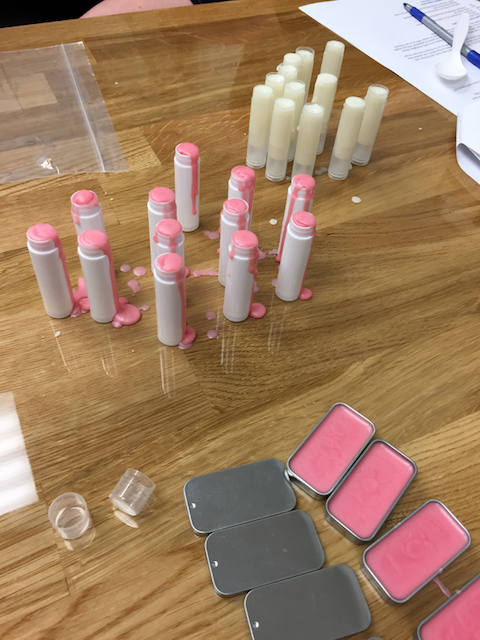
Why the picture of a lip balm at the top of this post? One, it’s full of emollients, and spreadability is really important in lip products; and two, getting that little dome at the top is about surface tension!  Welcome back to our series on combining emollients. In this part – which is part or...
This content is for Foundation, Formulation, and Innovation members only.
Subscribe
Already a member? Log in here

Combining emollients: What have we learned so far, parts one through four (viscosity), plus a downloadable cheat sheet!

Let’s update our review page to see what we learned in part four of the series on viscosity before we start part five, surface tension. (You can find the home page for this combining emollients series by clicking here!) The larger the spreading value of an emollient, the lighter it’ll feel on your skin. The...

This content is for Foundation, Formulation, and Innovation members only.
Subscribe
Already a member? Log in here

Combining emollients: Section four, viscosity – Creating an anhydrous body oil (part five, using oil soluble extracts)

Welcome to section four, part five of this series on combining emollients! In this part of the series, we’ll be making an anhydrous body oil (one without water) with all the information we have about viscosity and spreading values to see how those might impact the choices we make to create a smooth cascade of...

This content is for Foundation, Formulation, and Innovation members only.
Subscribe
Already a member? Log in here

Combining emollients: Section four, viscosity – Creating an anhydrous body oil (part three, creating a formula)

Welcome to section four of this series on combining emollients! In this part of the series, we’ll be making an anhydrous body oil (one without water) with all the information we have about viscosity and spreading values to see how those might impact the choices we make to create a smooth cascade of emollients with...

This content is for Foundation, Formulation, and Innovation members only.
Subscribe
Already a member? Log in here

Combining emollients: Section four, viscosity – Creating an anhydrous body oil (part two, choosing emollients)

Welcome to section four, part five of this series on combining emollients! In this part of the series, we’ll be making an anhydrous body oil (one without water) with all the information we have about viscosity and spreading values to see how those might impact the choices we make to create a smooth cascade of...

This content is for Foundation, Formulation, and Innovation members only.
Subscribe
Already a member? Log in here