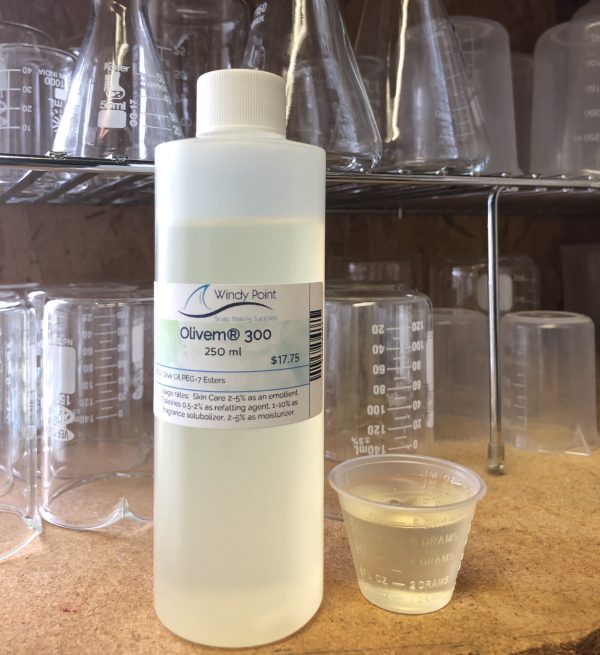
#alltheingredients: Arachidic fatty acid (eicosenoic acid)
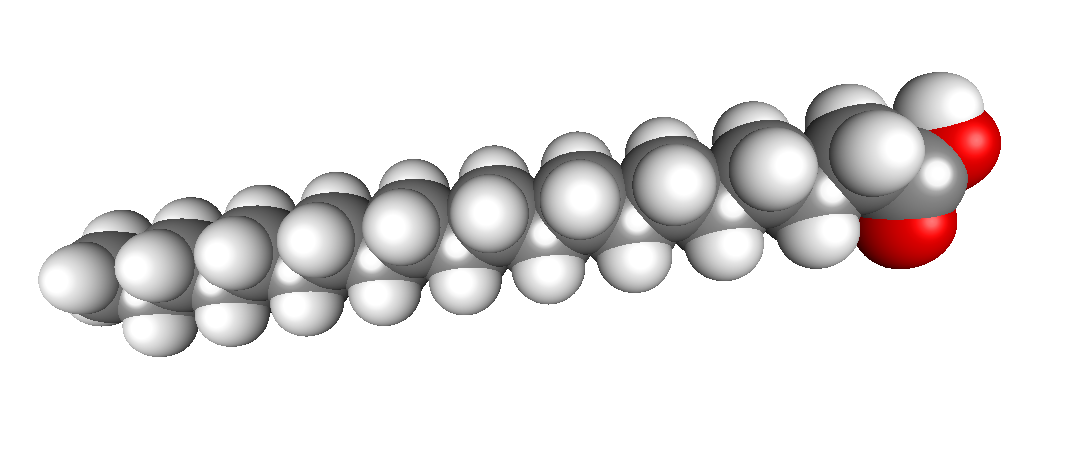
Arachidic fatty acid is a saturated, straight chain fatty acid with 20 carbon atoms in the chain. It has a melting point of 75˚C (167˚F), and a boiling point of 328˚C, so it can handle being heated and held. It’s found in a number of our favourite oils and butters – cupuacu butter, illipe butter,...

This content is for Foundation, Formulation, and Innovation members only.
Subscribe
Already a member? Log in here

#alltheingredients: Behenic fatty acid (docosanoic acid)

Behenic acid is a straight chain (C22 or 22 carbon), saturated fatty acid found in some of our oils, like moringa and pracaxi, and in small amounts in peanuts. It has a melting point of 80˚C (176˚F), and a boiling point of 306˚C, so it tolerates the heat at which we create our products pretty...

This content is for Foundation, Formulation, and Innovation members only.
Subscribe
Already a member? Log in here

Emollients you will love: Mongongo (Manketti) oil

We find this oil suggested for the conditioners we want to make from this post –  Formulas from Stepan: Links to the Multicultural Collection for textured or curly hair, so let’s take a few minutes to see what it’s all about, eh? This is one of the posts looking at ingredients found in that formula that might...

This content is for Foundation, Formulation, and Innovation members only.
Subscribe
Already a member? Log in here

Simple esters: Compare and contrast!

Wow, it’s taken a while, but we made it to the end of the simple esters series. So far in this series, we’ve taken a look at these solid, simple esters… Myristyl myristate Cetyl palmitate Cetyl rincinoleate Cetyl esters Stearyl palmitate Cetearyl olivate Lauryl Laurate …and I thought we could compare them so you could...

This content is for Foundation, Formulation, and Innovation members only.
Subscribe
Already a member? Log in here

What are esters? Part three: Chemistry of the sensory characteristics or why they feel the way they do

Catch up on this series: Part one, the chemistry and nomenclature of esters, and part two, types of esters and their sensory characteristics.  There are quite a few factors that contribute to the functionality of the ester, that is to say these factors contribute to the viscosity, skin feel, melting point, liquidity, surface tension, and...

This content is for Foundation, Formulation, and Innovation members only.
Subscribe
Already a member? Log in here