What are esters? Part two: Types of esters & their sensory characteristics
Thanks for joining me for part two of this series on esters. Yesterday, we looked at the chemistry and nomenclature of esters. Today, let’s take a look at why we might use esters in our products, and what they bring to the party. We use esters for all kinds of reasons – as emulsifiers, as...
This content is for Foundation, Formulation, and Innovation members only.
Subscribe
Already a member? Log in here

What are esters? Part one: The chemistry and nomenclature

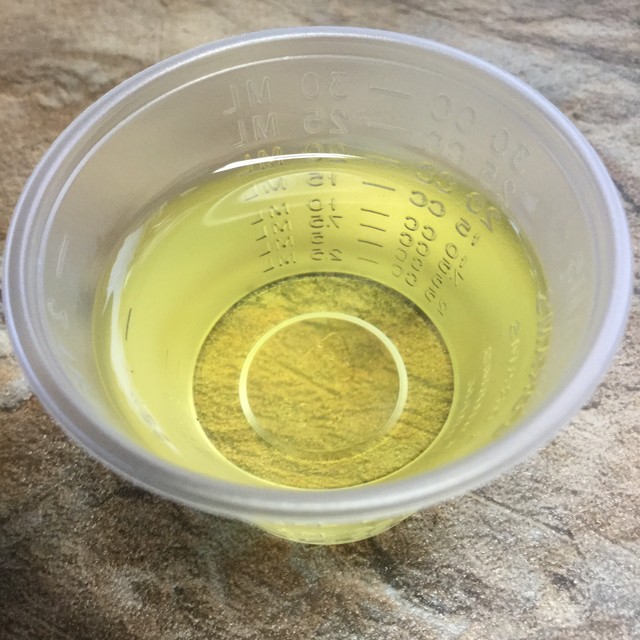
A thin, clear, yellow liquid in a shot glass, this is Sensolene

You might remember our series to figure out what a polar oil might be – part one, hydrocarbons and part two, polar oils – as we struggled to make that darned TKB Thickening clay work. This was supposed to be part three at the time, but we went on holiday and the computer died and...

This content is for Foundation, Formulation, and Innovation members only.
Subscribe
Already a member? Log in here

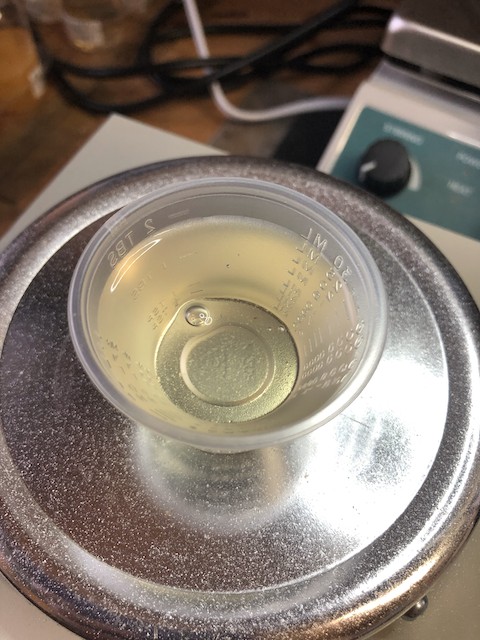
What does it mean if an oil is “winterized”?

“Winterized olive oil is any grade of olive oil that has had the waxes removed so that it doesn’t solidify in the cold weather (or in the refrigerator).” (Reference) This is done a lot for edible products that’ll be stored in the fridge, like a salad dressing, and for oils that may have a lot...

This content is for Foundation, Formulation, and Innovation members only.
Subscribe
Already a member? Log in here

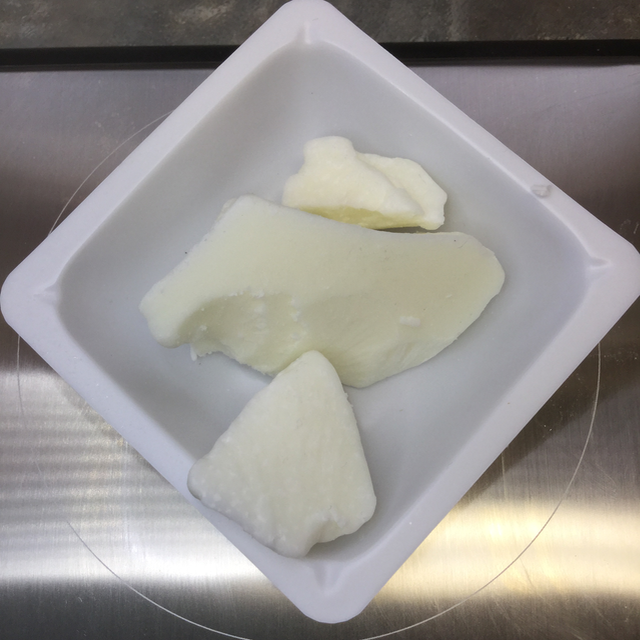
Emollients you will love: Cupuacu butter

Cupuacu butter (INCI: Theobroma grandflorum seed butter) is a relative of cocoa butter, with a less greasy skin that leaves a less shiny appearance. Its melting point is more like refined shea butter at 32 ̊C to 36 ̊C (89˚F to 96.8˚F), so melts in contact with skin, which is lovely. It can be used anywhere you might...

This content is for Foundation, Formulation, and Innovation members only.
Subscribe
Already a member? Log in here

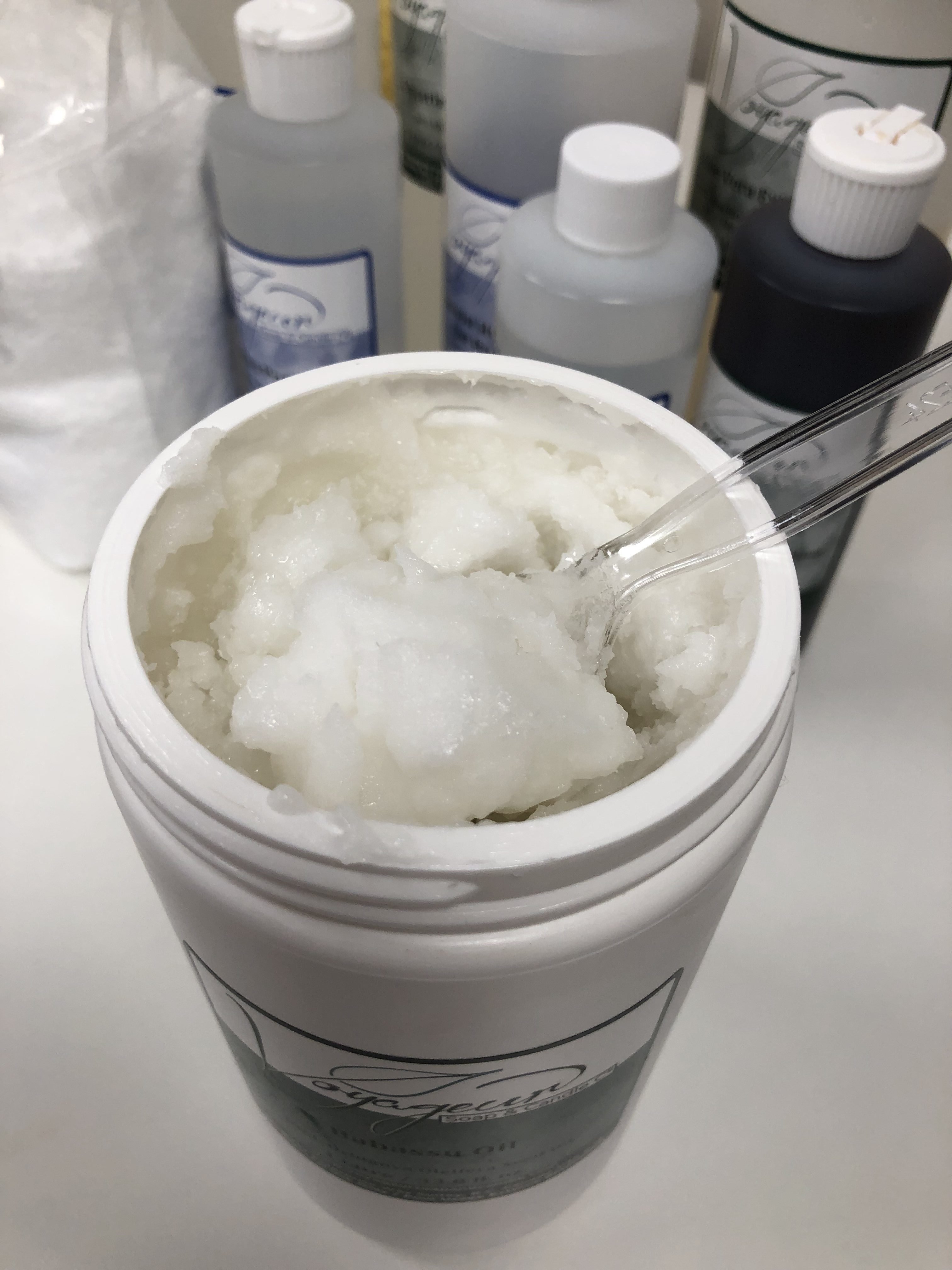
Oh no, melting babassu oil! (Video)

It’s summer, so get your oils, butters, solid oils, and other fine meltables into a cool, dark place or fridge lest you suffer the curse of melted coconut or babassu oil coating everything in your oils box! Babassu and coconut oils melt at 24°C or 76°F, which is barely above room temperature for some buildings!...

This content is for Foundation, Formulation, and Innovation members only.
Subscribe
Already a member? Log in here