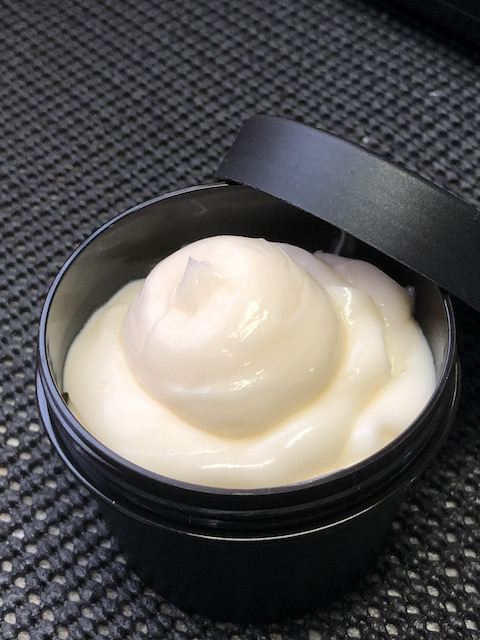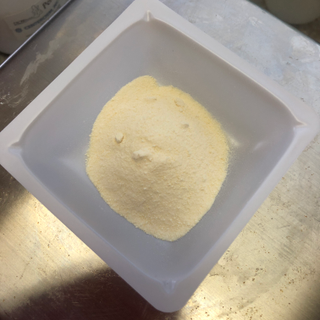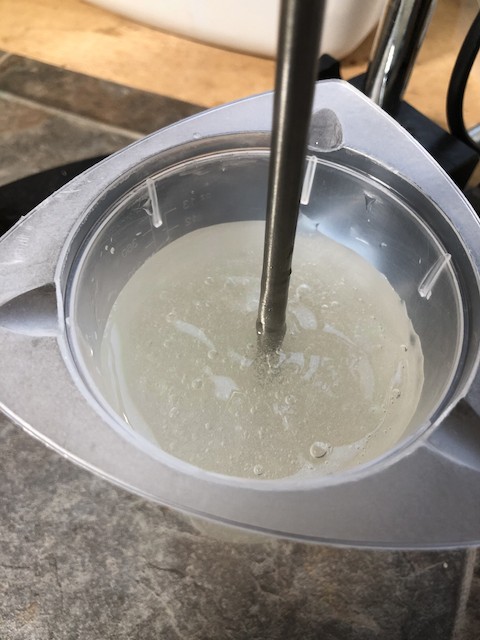
Why did I buy that again? Siligel (Updated November 2022)

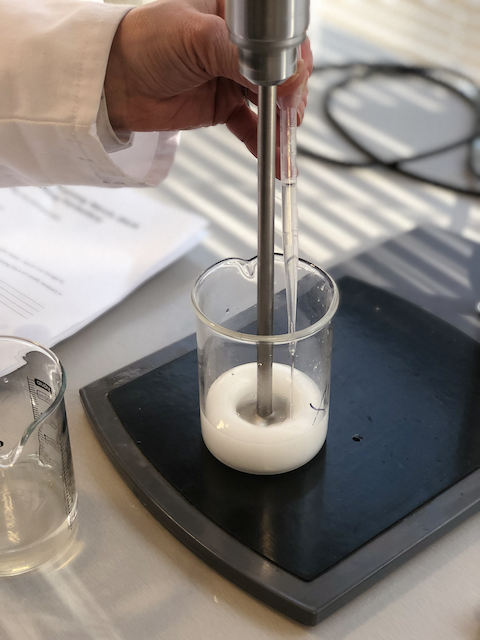
This is a neat new anionic (negatively charged) cold process gelling agent that’s considered green, eco-friendly, and natural. Siligel (INCI: Xanthan Gum (and) Lecithin (and) Sclerotium Gum (and) Pullulan) can create gels, be used as a stabilizer in emulsions, suspend things like exfoliants in gels, and enhance skin feel. (They say it may be a...

This content is for Foundation, Formulation, and Innovation members only.
Subscribe
Already a member? Log in here

Q&A: Can Xanthan Gum solubilize small amounts of oil?

In the monthly Q&A post, Shelby asked, Hi Susan! I’m back with another question! I have seen some products that are mostly water based, thickened with xanthan gum, but have a small amount of oil added. There are no real emulsifiers or solubilizes for the oil either. So how are these products not separating? Are they...

This content is for Foundation, Formulation, and Innovation members only.
Subscribe
Already a member? Log in here

Thickeners: Xanthan gum (rheology modifier) – updated October 3, 2022

Xanthan Gum is an anionic (negatively charged) polymer derived from the bacterium Xanthomonas campestris, which can be found on cruciferous veggies like cabbage, cauliflower, and broccoli (all of my least favourites!). In the manufacturing of this ingredient, they actually use the bacteria in a fermentation process. It’s permitted in food and cosmetic products and the typical usage...

This content is for Foundation, Formulation, and Innovation members only.
Subscribe
Already a member? Log in here

Creating oily gels, balms, and scrubs: Comparing Sucragel and Sapogel Q

As this has come up a lot over the last few weeks on social media as I’ve shared my two e-books, Creating oily gels with Sucragel and Creating oily gels, balms & scrubs with Sapogel Q, I thought I’d write a post comparing these two oil gelling ingredients, Sucragel and Sapogel Q What’s the difference between...

This content is for Foundation, Formulation, and Innovation members only.
Subscribe
Already a member? Log in here

Q&A: How does one work with hydroxethyl cellulose (HEC)?

In this month’s Q&A, Sehrish asked, I want to know about hydroxyethyl cellulose (HEC). Does it require a mixing with mixer or homogenizer? I have heard about it that the product becomes thin if it doesn’t mixes properly.. Hydroxyethylcellulose (HEC) is a rheology modifier or thickener for water. It’s a non-ionic or neutrally charged polymer used to thicken...

This content is for Foundation, Formulation, and Innovation members only.
Subscribe
Already a member? Log in here